My Blog

Author name: devanshcane7

mental health

Champions Hurt Too: The Untold Story of Mental Health in Sports

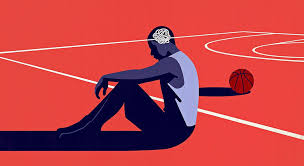
From the outside, champions look invincible. They win medals, break records, and stand on podiums with smiles that suggest confidence and control. Fans cheer, cameras flash, and success appears effortless. But behind this powerful image lies a quieter truth that is often ignored: champions hurt too. Mental health struggles exist at every level of sport — from young athletes to Olympic legends. The idea that elite athletes are mentally unbreakable has created a dangerous silence, where emotional pain is hidden behind toughness and resilience. The Myth of the “Strong Athlete” Sports culture has long celebrated strength, endurance, and sacrifice. Athletes are taught to push through pain, ignore discomfort, and keep going no matter what. While this mindset helps in physical training, it can be harmful when applied to mental health. The belief that “strong athletes don’t struggle” has created a stigma where emotional challenges are seen as weakness. As a result, many athletes feel pressure to hide anxiety, fear, self-doubt, or emotional exhaustion. But mental health is not a reflection of toughness. It is a reflection of being human. Pressure That Never Switches Off Athletes live under constant pressure. Winning becomes an expectation, not an achievement. A single bad performance can invite criticism from coaches, fans, media, or even family members. Some of the major pressures athletes face include: Over time, this pressure can lead to anxiety, burnout, and emotional breakdowns. Yet many athletes continue to suffer silently because speaking up feels risky. When Passion Turns Into Burnout Most athletes begin their journey with love for the sport. But when training becomes endless and results define self-worth, passion can slowly turn into burnout. Burnout is more than physical tiredness. It includes mental exhaustion, loss of motivation, irritability, and emotional numbness. Athletes may feel disconnected from the sport they once loved but still force themselves to continue. Ignoring burnout doesn’t make it disappear — it deepens the problem. Many promising careers have ended not because of lack of talent, but because mental exhaustion was never addressed. The Cost of Staying Silent Silence around mental health comes at a high cost. Athletes who suppress emotions may experience depression, panic attacks, sleep problems, or loss of confidence. In extreme cases, untreated mental health struggles can lead to self-harm or withdrawal from life altogether. When athletes feel they cannot speak openly, they isolate themselves. This isolation creates a cycle where suffering increases, and help feels further away. Breaking this silence is not just important — it is necessary. Role Models Who Spoke Up In recent years, several elite athletes have courageously shared their mental health struggles. Their honesty has challenged outdated beliefs and inspired change. By stepping away from competition or openly discussing anxiety and pressure, these athletes showed that protecting mental health is part of being a professional, not a failure. Their stories remind us that even the strongest competitors need rest, support, and understanding. Mental Health Support Is Performance Support Mental health care is not separate from performance — it supports it. Athletes who feel mentally safe perform better, recover faster, and enjoy their sport more. Sports psychologists, counselors, and mental skills coaches help athletes manage stress, build confidence, and cope with setbacks. Just as physiotherapists treat physical injuries, mental health professionals treat emotional and psychological strain. Creating safe spaces where athletes can talk freely improves both well-being and results. Changing the Culture in Sports To truly support athletes, sports culture must evolve. Coaches, institutions, parents, and fans all play a role. Change begins when: Young athletes especially need environments where emotions are allowed, not suppressed. Athletes Are People First At the heart of this issue is a simple truth: athletes are people before they are performers. Their value does not disappear after a bad match or an injury. When athletes are only celebrated for winning, they learn to hide pain. When they are supported as humans, they grow stronger — mentally and emotionally. A champion is not someone who never struggles. A champion is someone who keeps going with support, understanding, and self-respect. Conclusion: Strength Includes Vulnerability The untold story of mental health in sports is finally being heard, but there is still a long way to go. Champions hurt too, and acknowledging that does not weaken sports — it makes them healthier. True strength includes vulnerability. True success includes well-being. And true champions are not just those who win, but those who are supported, understood, and allowed to be human.

football, player, soccer, sport, ball, game, team, nature, play, competition, field, stadium, sports, players, action, grass, money, goal, kick, rush, man, touchdown, athlete, college
Uncategorized

Mind Matters: Why Mental Health is Essential for Athletes

When people think of athletes, they often imagine strength, discipline, and unstoppable confidence. Athletes are seen as individuals who can push through pain, overcome challenges, and perform under pressure. But behind the medals, trophies, and applause lies an often ignored truth: athletes are human too, and mental health plays a huge role in their success and well-being. In recent years, conversations around mental health have become more open, especially in the world of sports. Many top athletes have spoken out about anxiety, depression, burnout, and emotional struggles. This has helped the world understand that mental fitness is just as important as physical fitness. Mental Health: The Foundation of Performance Athletic performance is not only about muscle strength, stamina, or technique. The mind controls focus, motivation, decision-making, and emotional balance — all of which are critical in sports. An athlete may train for hours every day, but if they are mentally exhausted, stressed, or overwhelmed, their performance can suffer. A calm and confident mind allows athletes to stay focused, handle pressure, and perform at their best when it matters most. Sports like shooting, gymnastics, tennis, and football require intense concentration. Even a small mental distraction can lead to mistakes. That is why mental health is truly the foundation of peak performance. The Pressure Athletes Face Athletes live in a high-pressure environment. They are expected to win, improve constantly, and meet the expectations of coaches, families, fans, and even themselves. This pressure can build up over time. Some common stressors athletes face include: While pressure can sometimes motivate athletes, too much of it can lead to mental burnout, emotional breakdowns, and loss of passion for the sport. Burnout: When Passion Turns Into Exhaustion Burnout is becoming increasingly common among athletes. It happens when an athlete feels physically and emotionally drained due to continuous training, stress, and lack of rest. Burnout can cause: Many athletes experience burnout silently because they believe they must always appear strong. But ignoring burnout can lead to long-term mental health problems. Rest, balance, and emotional support are essential for preventing burnout and maintaining a healthy relationship with sports. Mental Health Struggles Are Not Weakness One of the biggest challenges in sports culture is the stigma around mental health. Athletes are often told to “toughen up” or “stay strong,” which can make them feel guilty for struggling emotionally. But mental health issues are not a sign of weakness. They are part of being human. Just like athletes can get physical injuries, they can also face mental injuries such as anxiety, depression, panic attacks, or emotional distress. These deserve the same care, attention, and treatment. Speaking up and seeking help is actually a sign of courage, not weakness. The Role of Sports Psychologists and Support Systems Today, many professional athletes work with sports psychologists to improve mental strength and emotional balance. Sports psychologists help athletes with: Having a strong support system is equally important. Coaches, teammates, parents, and friends can play a major role in helping athletes feel safe and understood. A positive environment where athletes can talk openly about emotions leads to better mental well-being and stronger performance. Mental Fitness Should Be Part of Training Just like athletes train their bodies daily, they should also train their minds. Mental fitness practices can include: Mental training helps athletes stay calm under pressure and bounce back from setbacks. It also improves overall happiness and confidence, both inside and outside sports. Athletes Are More Than Their Results One important reminder is that an athlete’s worth is not defined by medals or scores. Sports are a part of life, but they should not become the only source of identity. When athletes tie their self-worth only to winning, losing can feel devastating. Mental health improves when athletes understand that they are valuable as people, not just performers. A healthy mindset allows athletes to enjoy the sport, learn from losses, and grow through challenges. Conclusion: A Strong Mind Creates a Strong Athlete Mental health is not an extra topic in sports — it is a core part of athletic success and personal well-being. A strong body may win races, but a strong mind builds resilience, confidence, and long-term greatness. By prioritizing mental wellness, athletes can perform better, recover faster, and live healthier, happier lives. It’s time we recognize that true champions are not just physically powerful — they are mentally supported, emotionally balanced, and human at heart. Because in sports, mind matters just as much as muscle.

Scroll to Top